Willy Caslon
Yes, another Caslon (but this one’s worth it)
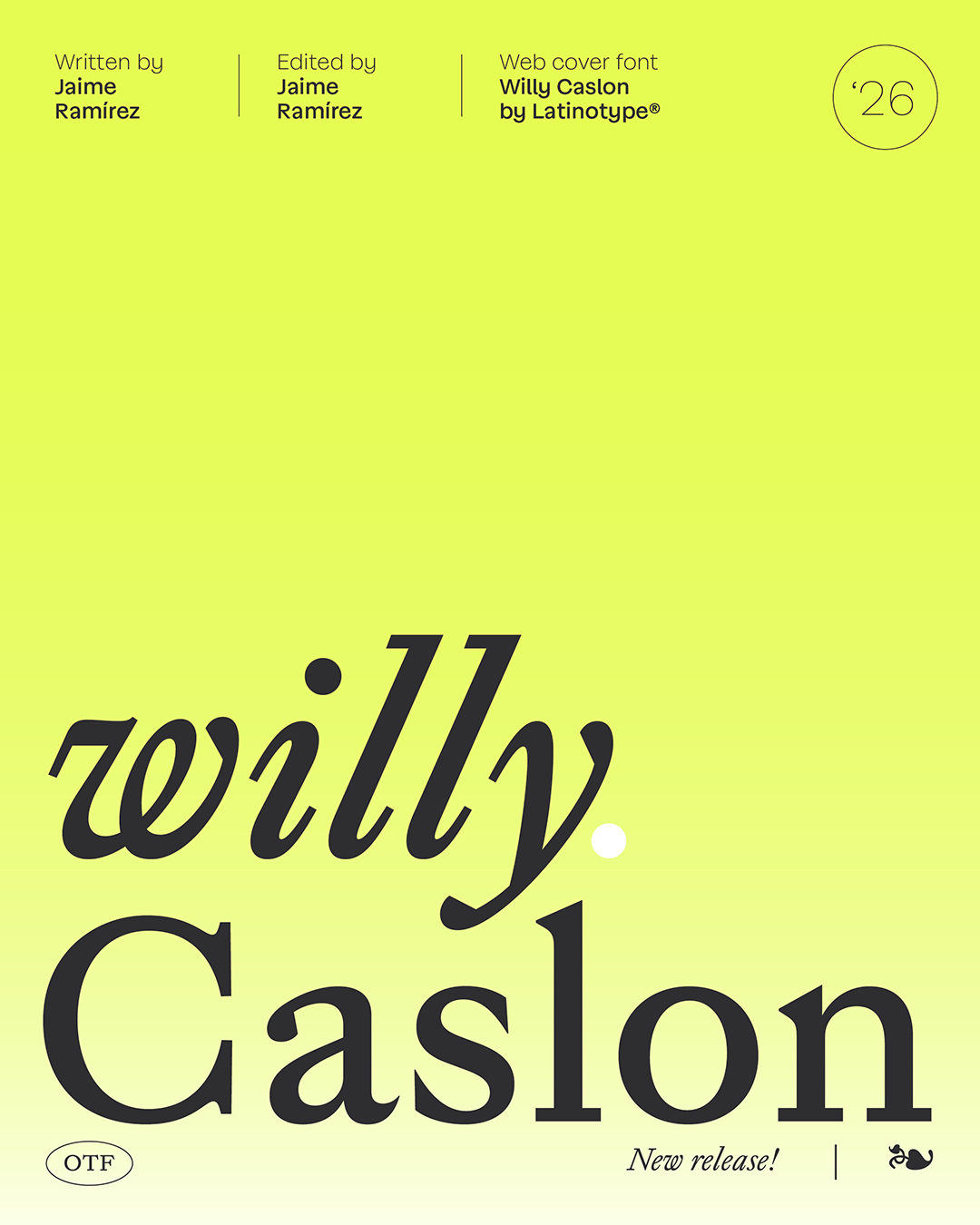
Another Caslon, yes. But not just any Caslon. Willy Caslon takes one of the most recognizable references in typography and adapts it to today’s pace, with a more refined design, taut forms, and a readability tailored for screens, paper, and everything in between. Familiar, yet with its own distinct character, it’s a serif typeface made for projects where legibility matters again.
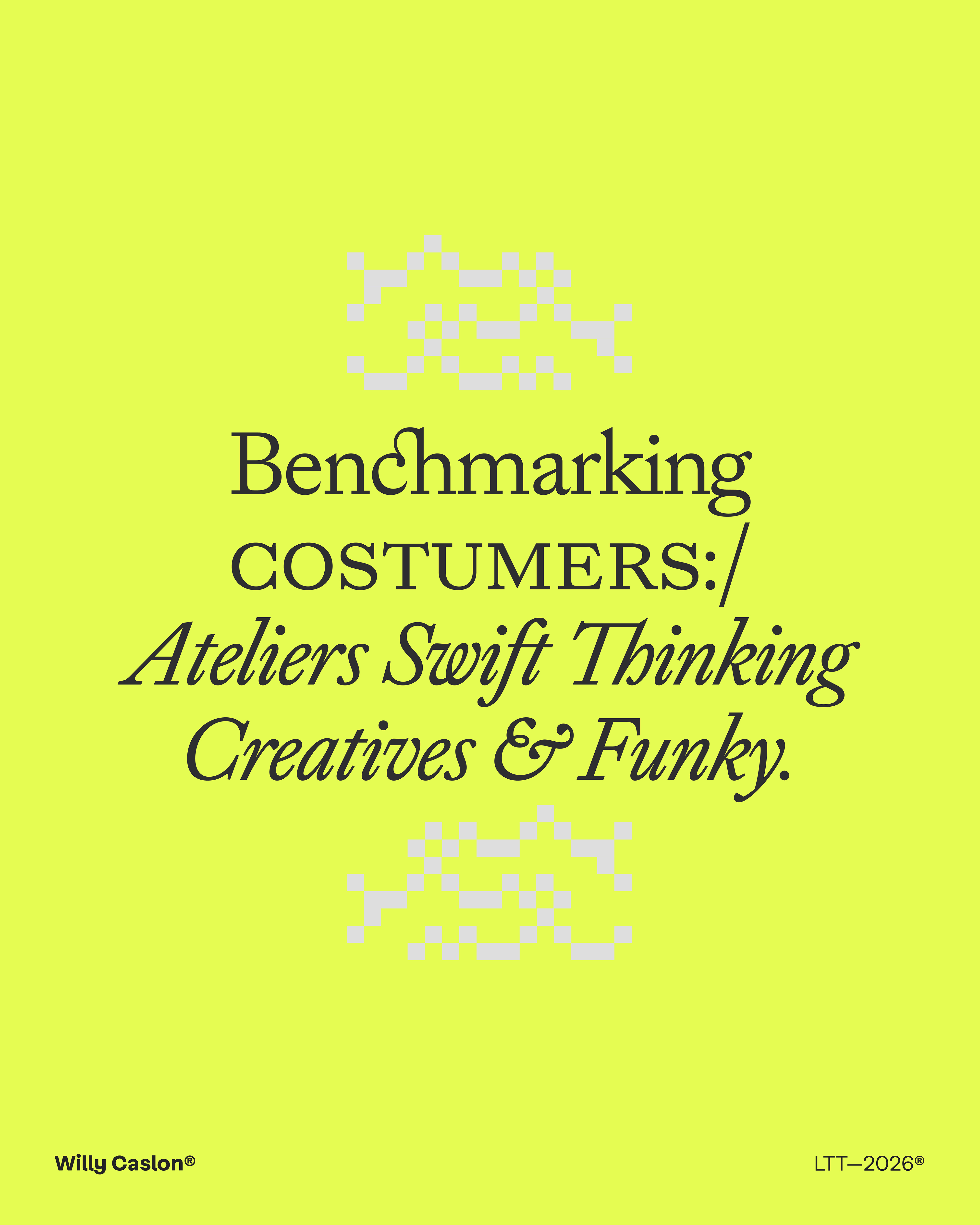
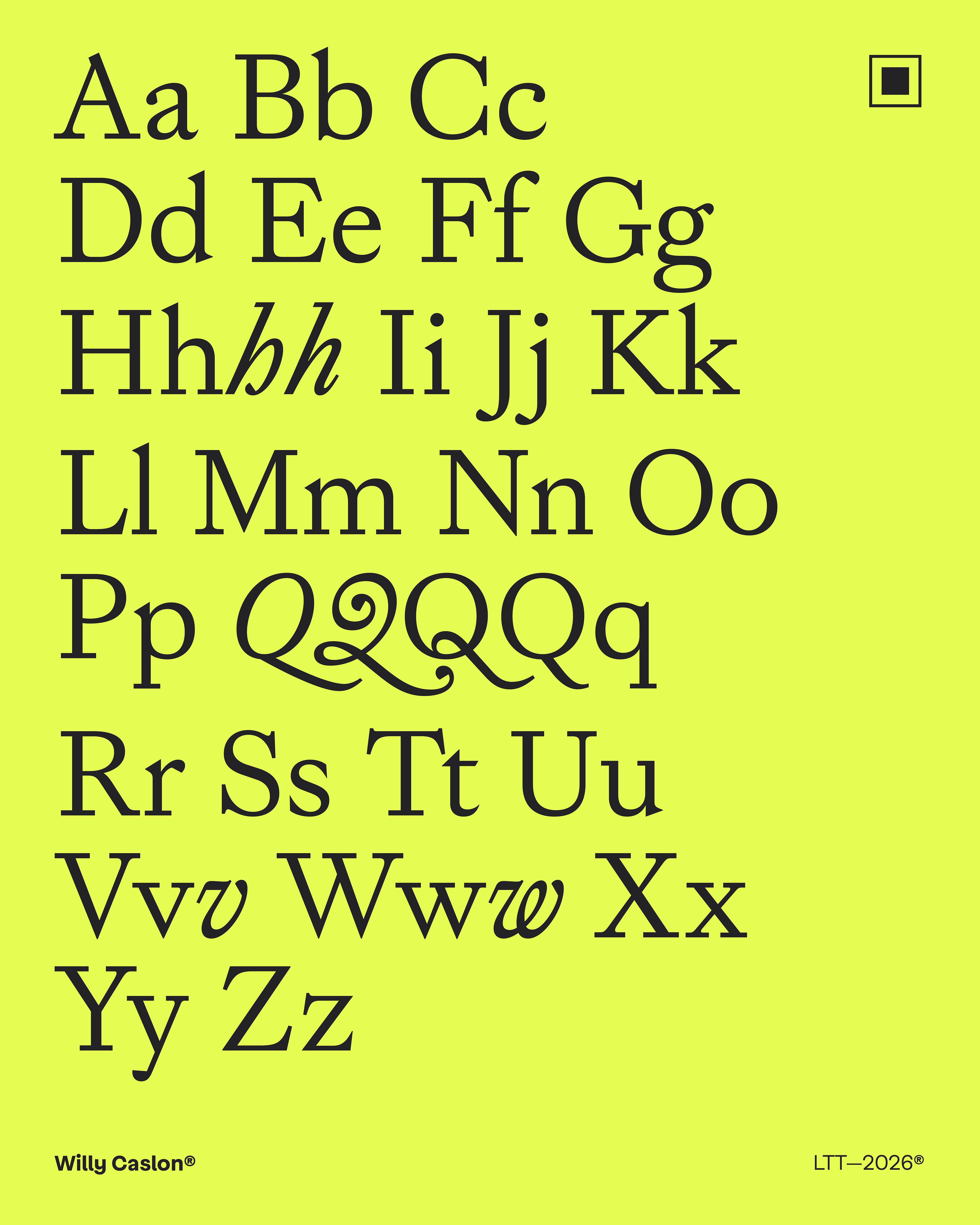

With Willy Caslon, Latinotype returns to one of the most recognizable references in typography to ask a question that’s relevant once more: what does legibility mean in 2026? The answer lies not in nostalgia or trends, but in something simpler and perhaps more complex: the criteria used to make design decisions.
Willy Caslon takes the English tradition associated with William Caslon and tightens it slightly, refining it with a touch of sophistication. It makes it move faster. There’s tension in the design, there’s rhythm, there’s an energy that isn’t trying to be archaic, but neither is it neutral. The terminals appear more defined, the curves are restrained, and the counterforms intentionally work with the text’s color. The result feels familiar at first glance, but without settling for a sober obviousness.
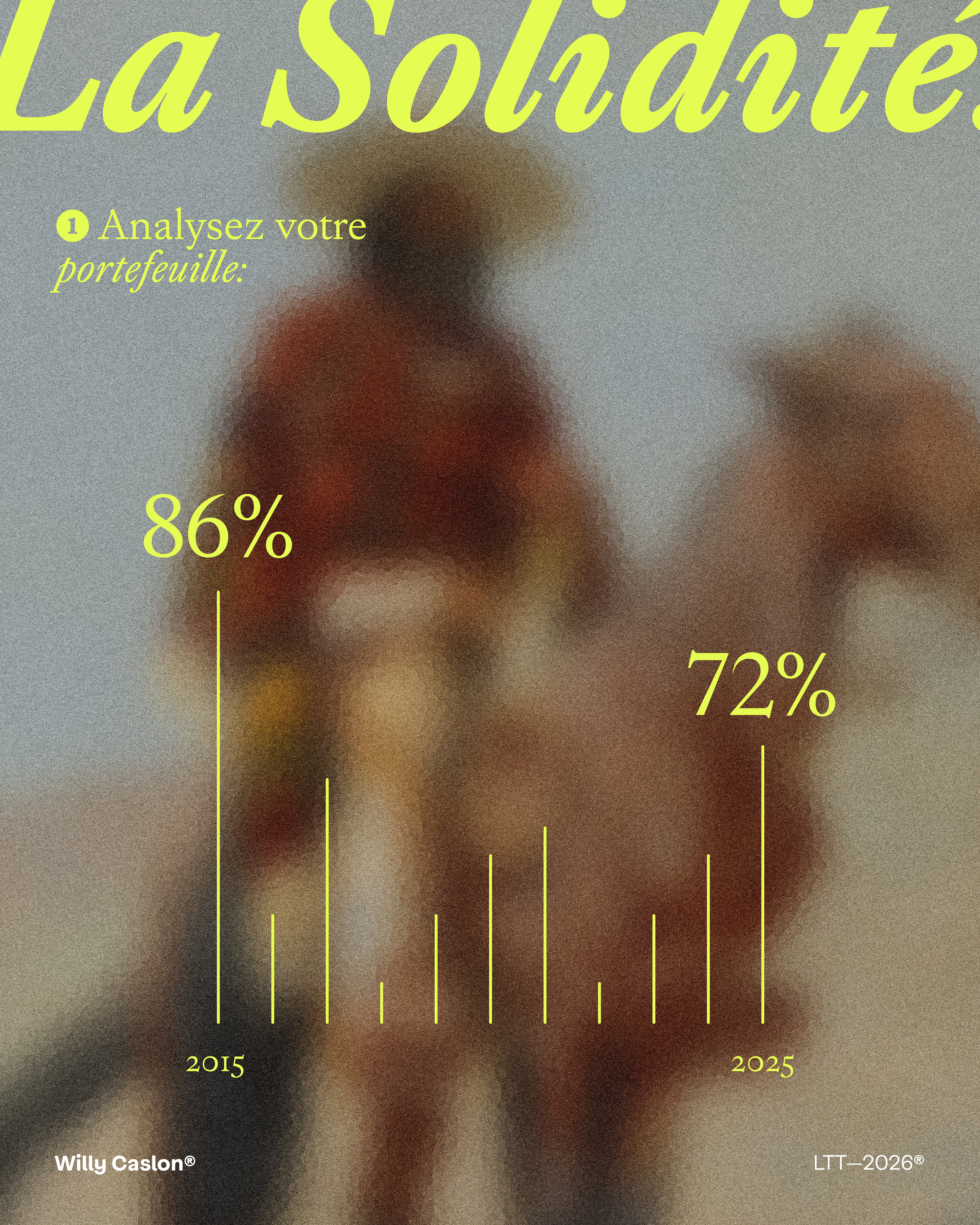
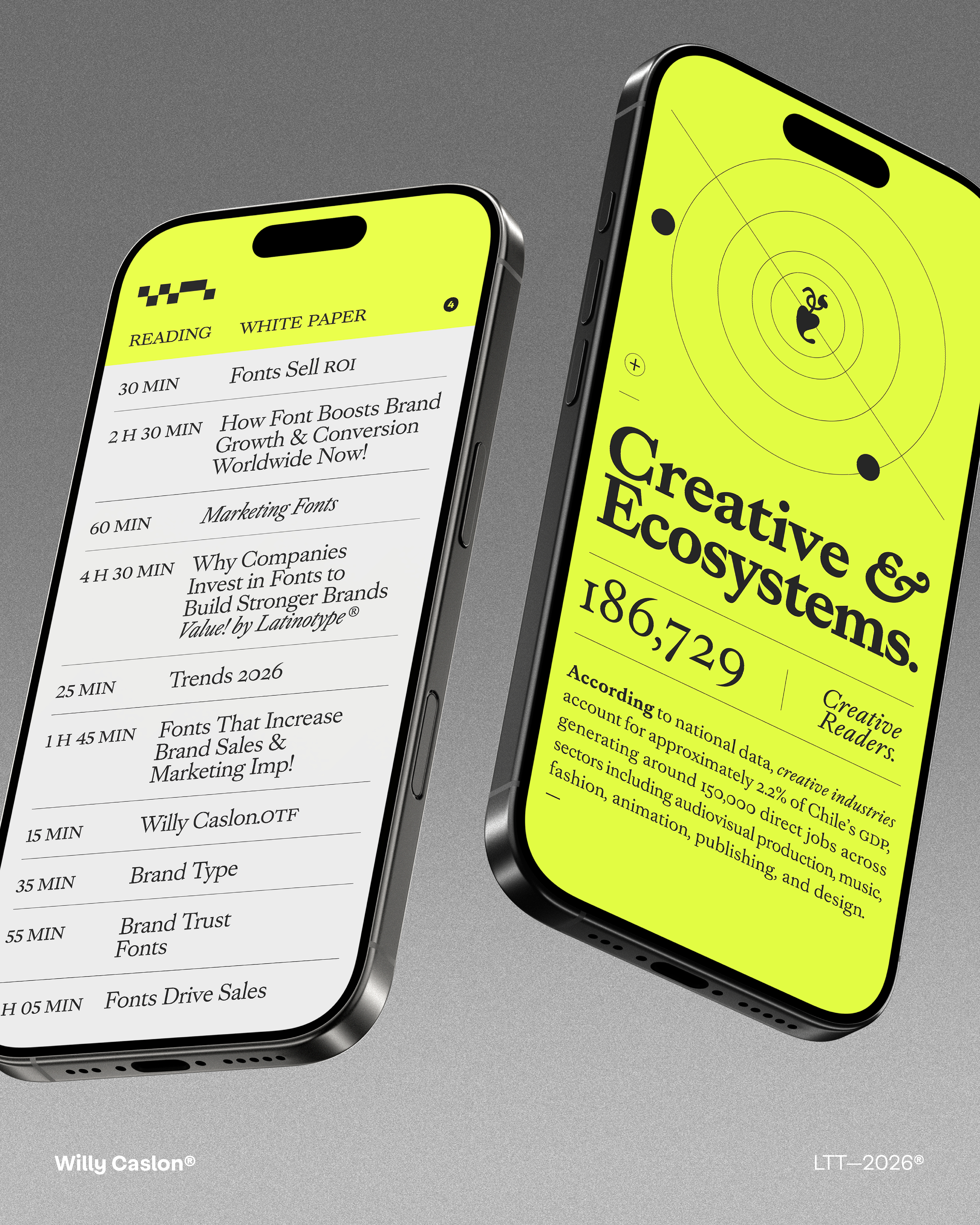
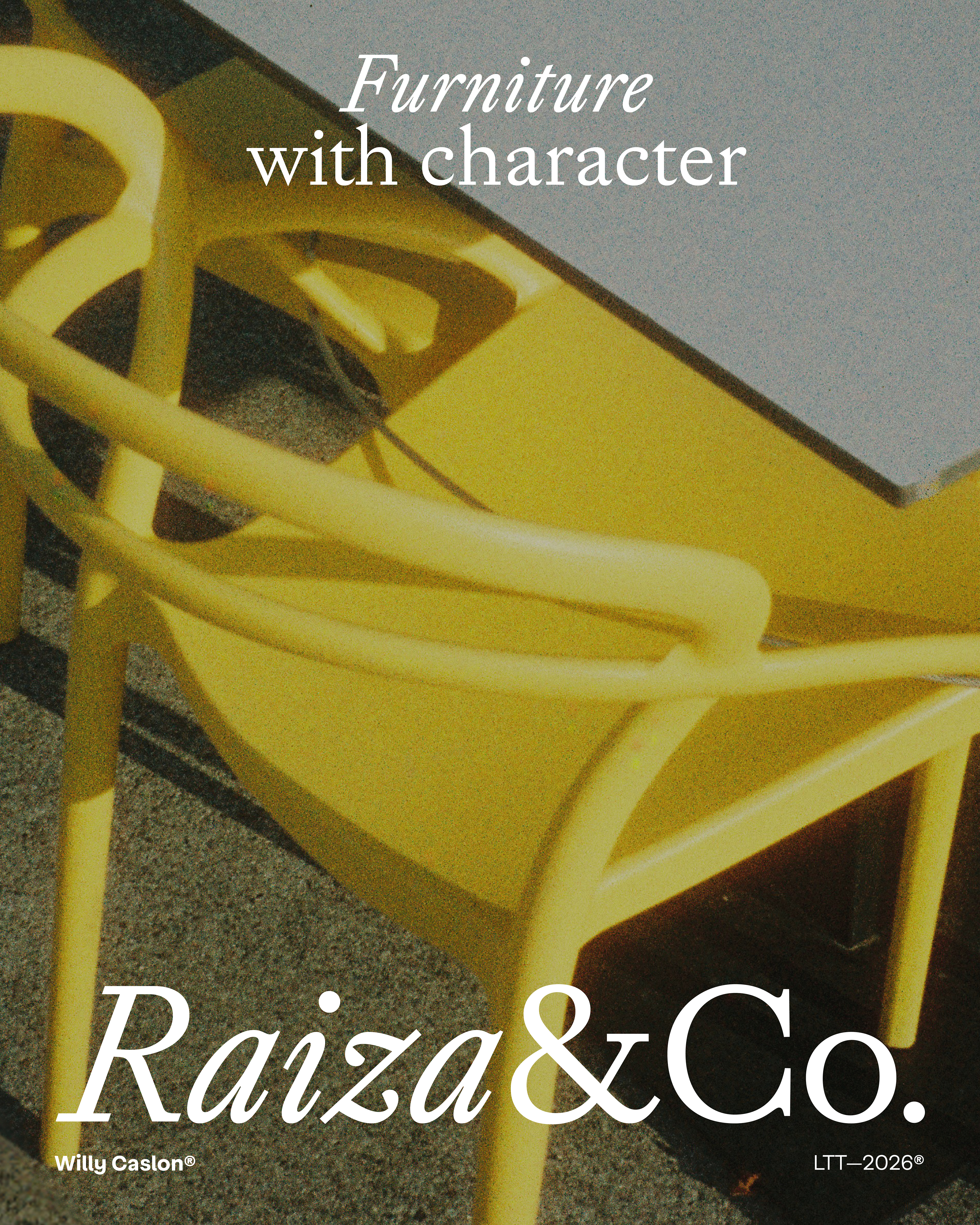
And this didn’t happen by chance. There’s a reason why serifs are reappearing in places where the correct and silent sans-serif once dominated. Publishing brands, cultural brands, even fintech brands. It’s not because they want to appear conservative, but because they want to be more direct. They want to sound trustworthy without speaking with the solemnity of banks from the last century.
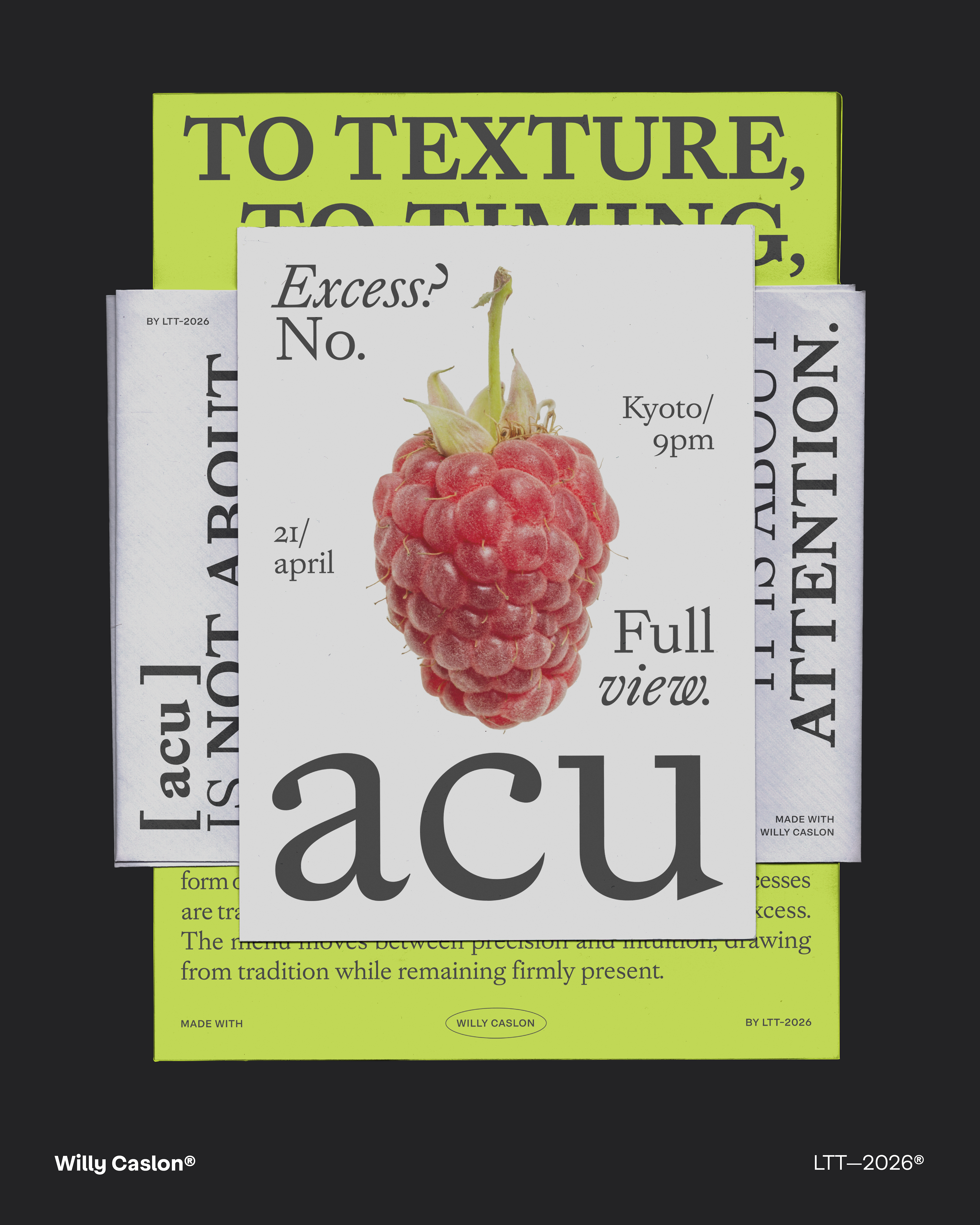
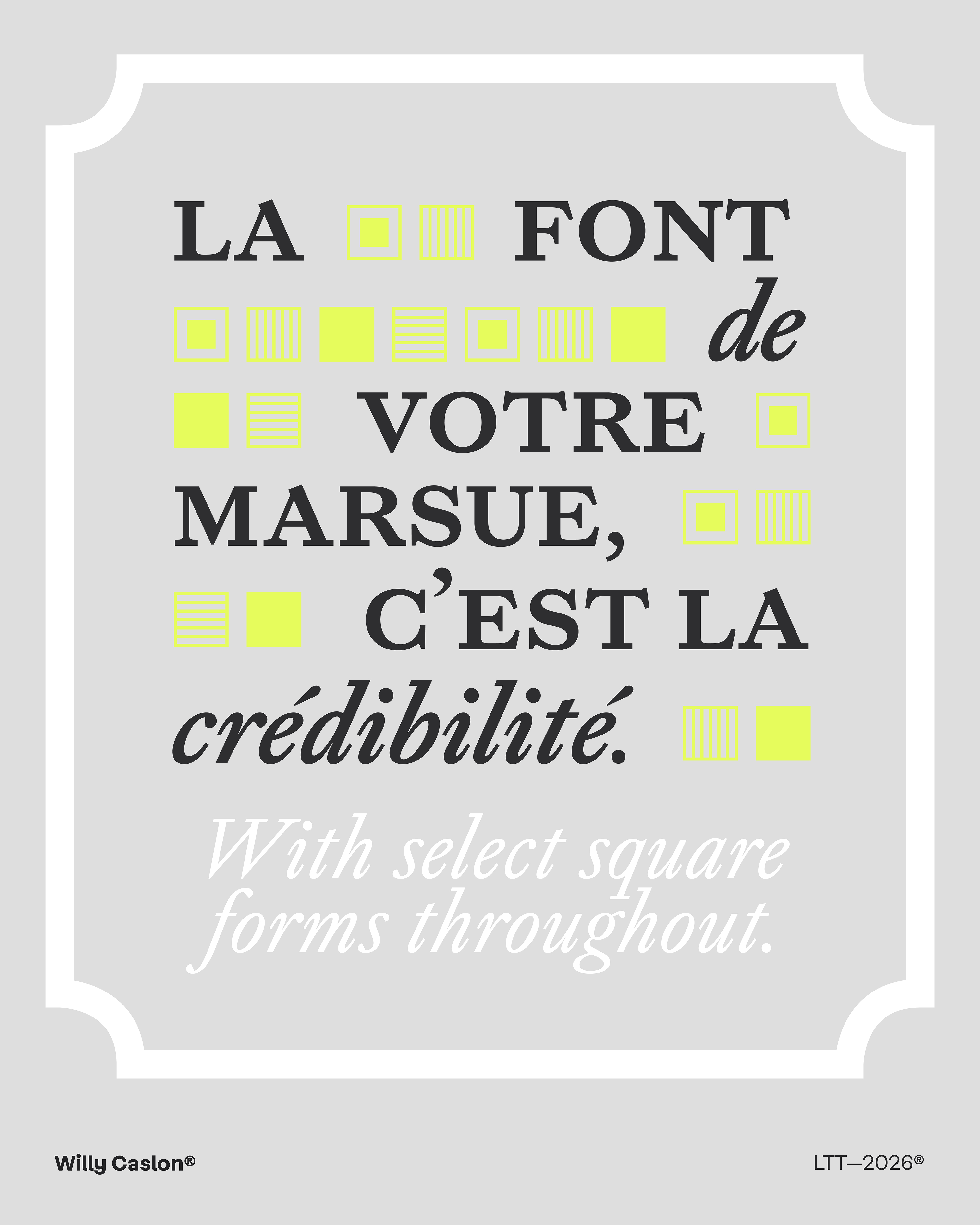
Willy Caslon doesn’t try to look old-fashioned or force an artificial novelty. He starts from a familiar history to offer a current tool. A Caslon that understands the present and responds with precision. He acknowledges his history but without seeming like a relic, achieving a perfect blend of distinction, freshness, and confidence.